
Ryan S
Retired Sonos Staff
Jan 22, 2020 3:20 PM UTC

End of Software Support - Clarifications
  • Dec 8, 2022 11:29 AM UTC
  • 4256 replies
  • 270541 views
  • Translate All
End of Software Support - Clarifications

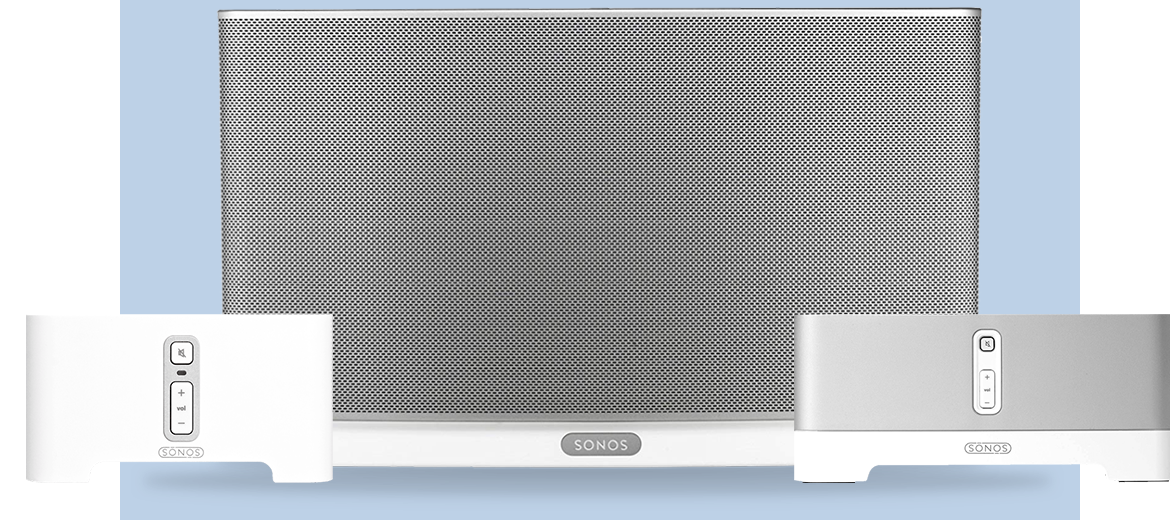
We announced yesterday that some of our oldest Sonos products will be moving into a legacy mode in May of 2020. Our commitment is to support products with regular software updates for a minimum of five years after we stop selling them, and we have a track record of supporting products far longer. 

Here is some public information we’ve shared, gathered into one place to respond to some of your questions in one easy thread, so that people can find the correct information easily.

Beginning in May, software updates and new features from Sonos will only be delivered to systems with only modern products.

After May, systems that include legacy products will continue to work as before - but they will no longer receive software updates or new features. 

Sonos will work to maintain the existing experience and conduct bug fixes, but our efforts will ultimately be limited by the lack of memory and processing power of these legacy products.

We don’t expect any immediate impact to your experience, but access to services and overall functionality will eventually be disrupted, particularly as partners evolve their own services and features. 


Customers with both legacy and modern products have time to decide what option is best for them. You can continue to use your whole system in legacy mode - in this case, it will stop receiving updates and new features. 

You will also be able to separate your legacy products from your modern products, so that the modern products can still receive updates and new features, and legacy products can still be used separately. We’ll have more information on how to do this in May when you can take that action.

Another option available to all customers with legacy products is to take advantage of the Trade Up program, which allows you to upgrade older Sonos products to modern ones with a 30% discount. Trade Up will be open to customers at any time should they decide to upgrade. 

We recognize this is new for Sonos owners, just as it is for Sonos. We are committed to help you by making options available to you to support the best decision for your home.
 

If you have any further questions, please don’t hesitate with asking.

Update 2/22: A message from our CEO

We heard you. We did not get this right from the start. My apologies for that and I wanted to personally assure you of the path forward:

First, rest assured that come May, when we end new software updates for our legacy products, they will continue to work as they do today. We are not bricking them, we are not forcing them into obsolescence, and we are not taking anything away. Many of you have invested heavily in your Sonos systems, and we intend to honor that investment for as long as possible. While legacy Sonos products won’t get new software features, we pledge to keep them updated with bug fixes and security patches for as long as possible. If we run into something core to the experience that can’t be addressed, we’ll work to offer an alternative solution and let you know about any changes you’ll see in your experience.

Secondly, we heard you on the issue of legacy products and modern products not being able to coexist in your home. We are working on a way to split your system so that modern products work together and get the latest features, while legacy products work together and remain in their current state. We’re finalizing details on this plan and will share more in the coming weeks.

While we have a lot of great products and features in the pipeline, we want our customers to upgrade to our latest and greatest products when they’re excited by what the new products offer, not because they feel forced to do so. That’s the intent of the trade up program we launched for our loyal customers.

Thank you for being a Sonos customer. Thank you for taking the time to give us your feedback. I hope that you’ll forgive our misstep, and let us earn back your trust. Without you, Sonos wouldn’t exist and we’ll work harder than ever to earn your loyalty every single day.

If you have any further questions please don’t hesitate to contact us.


Patrick Spence
CEO, Sonos

This topic has been closed for further comments. You can use the search bar to find a similar topic, or create a new one by clicking Create Topic at the top of the page.

4256 replies

Lyricist III
Feb 19, 2020 2:53 AM UTC

A very timely comparison… In less than 1 month, new policies re: disrupting integration support for legacy speakers and upgrade ‘device-bricking’ requirements, are severely eroding the SONOS brand reputation. Namely, #1 Ecosystem, #3 Loyalty, and #4 Commitment to Eco-Sustainability. An important lesson here…


Translate
Airgetlam
Feb 19, 2020 6:00 AM UTC

Sorry, could you elaborate on the ‘device bricking’ requirements you’re speaking of? The only ‘device bricking’ I’m aware of is part of the recycling program, where it makes some sense, since you’re making the trade for a 30% discount on future goods. 

Translate
Bruce
Smilja
Feb 19, 2020 9:21 AM UTC

Apple is maintaining a https://www.apple.com/shop/trade-in program too...

Translate
»And the world is like an apple whirling silently in space, Like the circles that you find in the windmills of your mind.« (›Windmills Of Your Mind‹ [1967]. Music by Michel Legrand ; English lyrics written by Alan & Marilyn Bergman)
Enthusiast II
Feb 19, 2020 10:01 AM UTC

Apple is maintaining a https://www.apple.com/shop/trade-in program too...

Apples program is that you send them the device at their cost and they ensure it’s recycled. 
Sonos’ program is that they render the old device useless, declare the recycling to be the users’ responsibility and [green]wash their hands of the problem.

They’re not directly comparable policies, are they?

Translate
jgatie
Feb 19, 2020 11:06 AM UTC

Apples program is that you send them the device at their cost and they ensure it’s recycled. 
Sonos’ program is that they render the old device useless, declare the recycling to be the users’ responsibility and [green]wash their hands of the problem.

They’re not directly comparable policies, are they?


Sonos offers the same policy.  You can ship your units to them at their cost and they will recycle them.  It's not mandatory, but you can choose to do it.

Translate
Enthusiast II
Feb 19, 2020 11:53 AM UTC

Apples program is that you send them the device at their cost and they ensure it’s recycled. 
Sonos’ program is that they render the old device useless, declare the recycling to be the users’ responsibility and [green]wash their hands of the problem.

They’re not directly comparable policies, are they?


Sonos offers the same policy.  You can ship your units to them at their cost and they will recycle them.  It's not mandatory, but you can choose to do it.

Fair enough, I didn’t realise that. Ok, objection to that aspect of the scheme resolved. 

Translate
jgatie
Feb 19, 2020 1:12 PM UTC

Fair enough, I didn’t realise that. Ok, objection to that aspect of the scheme resolved. 


So aside from the name on the corporation, why is Apple a paragon of virtue and Sonos evil incarnate?  Both stop supporting devices with new features, but allow them to work on if you choose.  Both responsibly recycle their devices if they are retired, paying for all shipping/recycling costs.  Both offer a trade-in incentive to purchase new products.


Also, I find it hysterical that Apple’s scheme to artificially slow down older devices is now being spun into “increased battery life” and an example of Apple’s “loyalty”.  One thing is for sure, the Jobsian Reality Distortion Field assures people will buy any amount of BS as long as it comes from Cupertino.  

Translate
melvimbe
Feb 19, 2020 2:21 PM UTC

In general, I think comparisons between the tech giants (Apple, Amazon, Google, etc) and single market companies like Sonos need to be taken with a grain of salt.  Tech giants can take losses in one market and make it up in other markets, with the goal of keeping customers engaged in several different markets with them, or increasing sales in one particular market.    Obviously, single market companies don’t have the same ability to take losses as they can’t make it up in other markets.  It’s not exactly an equal playing field.


Translate
Danny
Prominent Collaborator I
Feb 19, 2020 2:25 PM UTC

I noticed that my Connect:Amp (circa 2016) is not eligible for upgrade.  I did not realize that Connect and Connect:Amp devices manufactured after 2015 are not affected.  That makes a big difference in my opinion.  I was under the impression that all Connects, including those that were still for sale last year, would be impacted, which would really suck if you had just bought one.  But if all "legacy” devices have been off the market for 5+ years, I think ending support for those devices is not unreasonable.  It seems to me that Sonos just really botched the communication of what was happening.

Translate
melvimbe
Feb 19, 2020 4:00 PM UTC

I noticed that my Connect:Amp (circa 2016) is not eligible for upgrade.  I did not realize that Connect and Connect:Amp devices manufactured after 2015 are not affected.  That makes a big difference in my opinion.  I was under the impression that all Connects, including those that were still for sale last year, would be impacted, which would really suck if you had just bought one.  But if all "legacy” devices have been off the market for 5+ years, I think ending support for those devices is not unreasonable.  It seems to me that Sonos just really botched the communication of what was happening.


They did botch the communication a bit, which has been compounded by a spread of incorrect information about the event.  Sonos has also tried to limit the information they share, as they typically do, which has resulted in assumptions about details that Sonos isn’t sharing.

Translate
Danny