James L.
Retired Community Staff
March 3, 2021
Tutorial

Using Sonos as PC Speakers
  • March 3, 2021
  • 135 replies
  • 349372 views
Using Sonos as PC Speakers

Moderator note: This article was updated in December 2024 to account for new products.


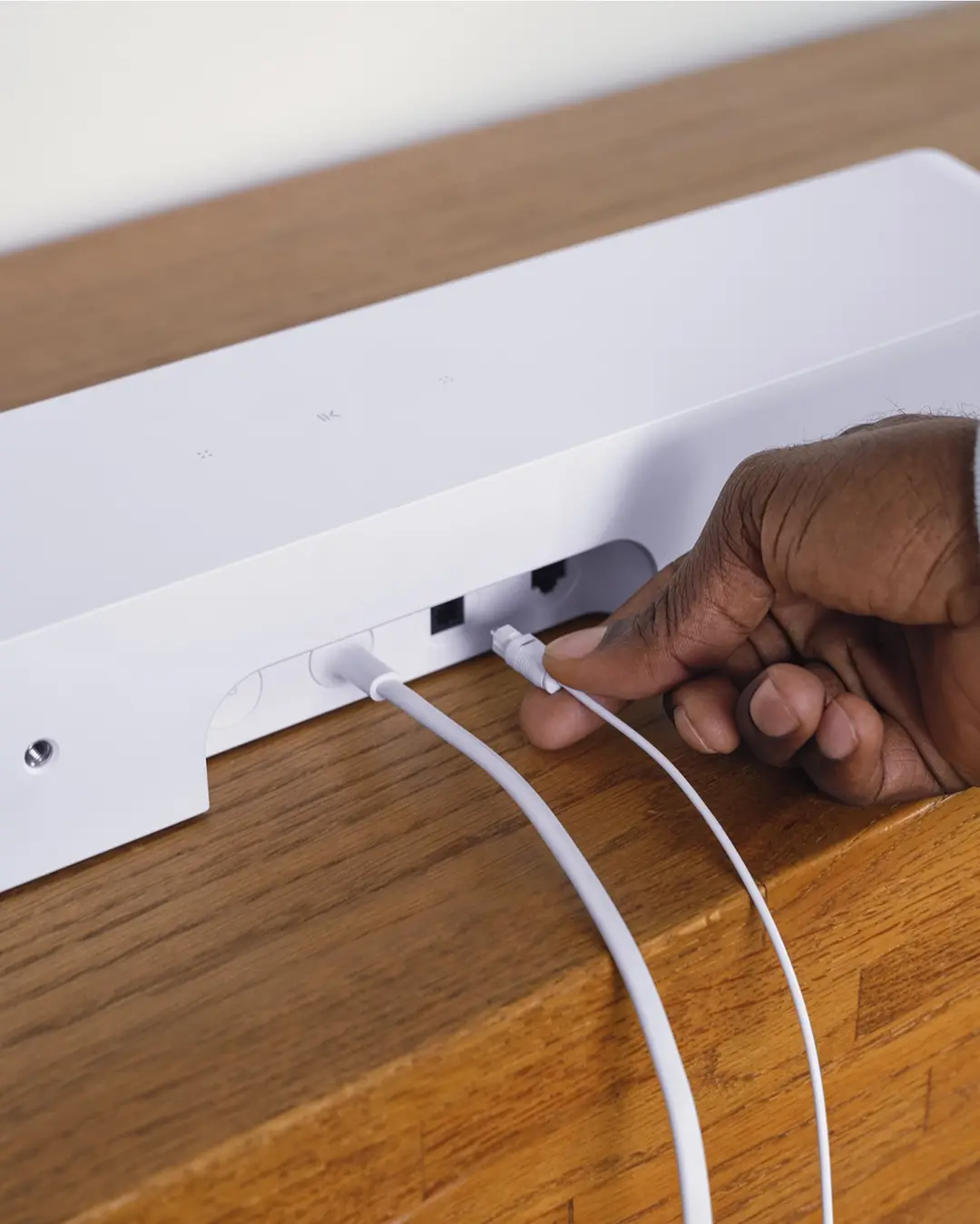
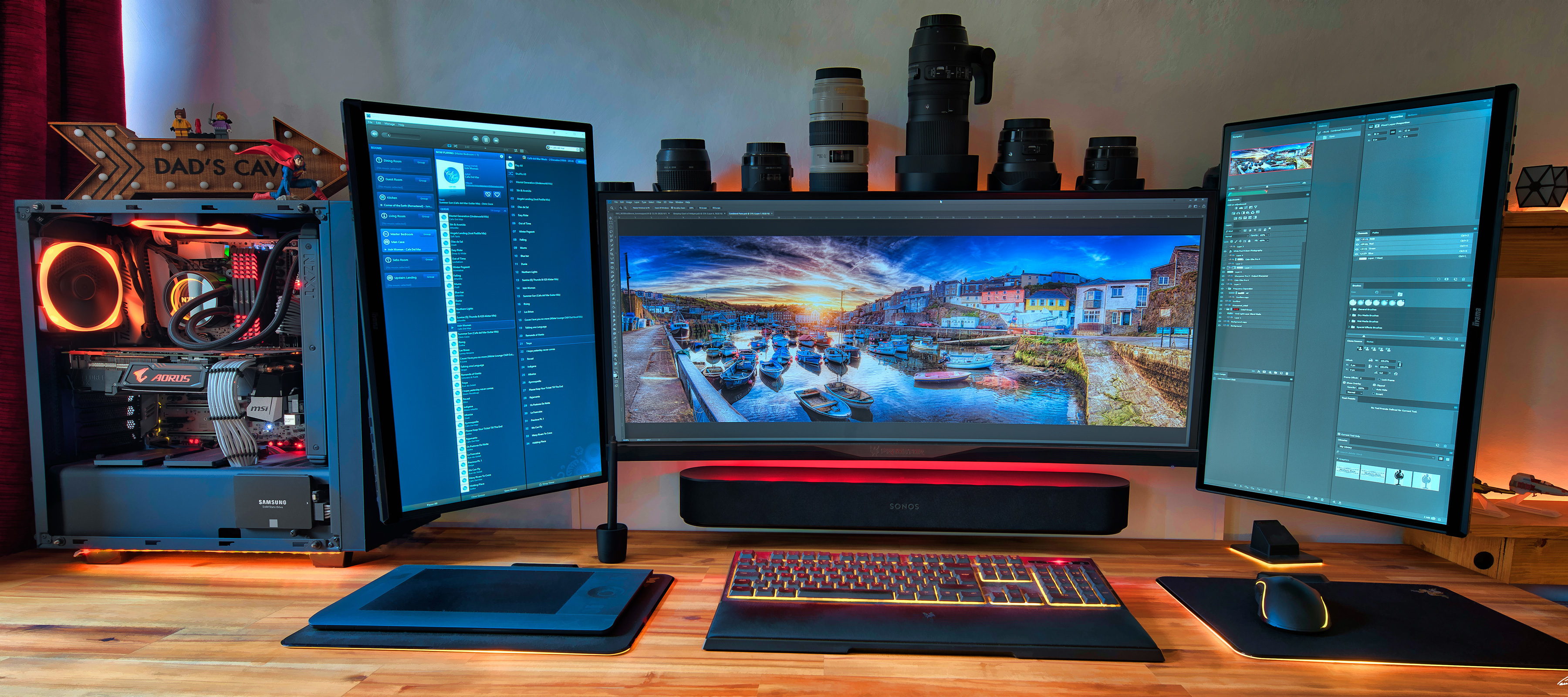
Image provided by PaulRBoon in this thread: Beam as computer speaker


At Sonos, we don’t make speakers specifically designed for your computer. However, if you are considering integrating your computer sound into your Sonos system, we want to help you get the most out of your products. With this being said, not all computers are built equal, so your mileage may vary, therefore it’s unfortunately not something Sonos can help or support you with setting up outside the general advice here.

In this article, we are going to be focusing on the best ways to get your computer audio coming through a Sonos Playbar, Playbase, Ray, Beam, Arc & Arc Ultra, Amp, Move & Move 2, Roam & Roam 2, Era 100 & Era 300. To get this to work, there are two things to look at: how to connect the products and the settings needed.


A quick note on Play:5, Five, Connect:Amp, Amp, Port, Connect, Era 100 & Era 300

While it is possible to use these players with a PC by connecting to their line-in ports (Era models will need the USB-C adaptor), this isn’t a recommended solution if you’re planning on doing something that requires audio/video synchronization. There will be a minimum of a 75ms delay on the audio due to the signal processing performed on the line-in side. If synchronization isn’t an issue for you, you can simply connect the device to your PCs headphone or line out jack like you would a pair of regular headphones.

Move, Move 2, Roam, Roam 2 & Era 100/300

Bluetooth links via these models will experience the same delay, as Bluetooth acts as a virtual line-in and also needs buffered for network play.


Connecting: 


Depending on the product you’re trying to connect, the method of connecting it to your computer will be slightly different. I’ll group the products with similar connections together to make things a bit easier to follow.


Playbar, Playbase & Ray

These products use a TOSLINK/Optical cable to receive audio, so if you’re looking to use these as PC speakers, your PC must be equipped with an Optical Out port. Most PCs don’t come with these built into the motherboard, though some higher end ones do. In most cases, you’ll likely need to use an internal sound card to provide that connection. Simply use an Optical cable to link your Playbar/Playbase/Ray to the Optical out port on your computer; just like you would to hook it up to a TV.
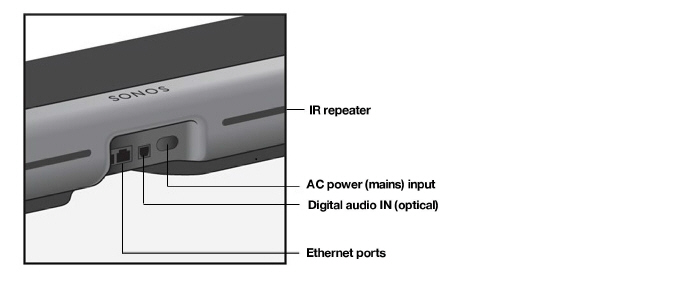
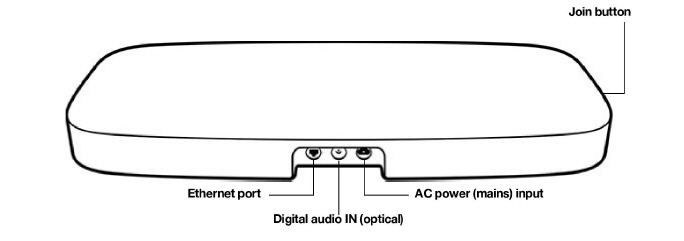
Playbar - use the Digital audio IN port
Playbase - use the Digital audio IN port
Ray - use the Digital audio IN port

Beam, Arc, Arc Ultra & Amp

If you’re using a Beam, Arc, Arc Ultra or Amp as computer speakers, there’s one extra step. You’ll need to make use of the Sonos Optical Audio Adapter that is included with your product (excluding Amp). Most computers send a regular HDMI audio stream over their HDMI ports, whereas these products require an HDMI-ARC audio signal. These are not the same. Unless you are using a TV equipped with HDMI-ARC as your monitor, connecting via HDMI-ARC won’t be possible. If that does apply to you, you can check this FAQ to find out how to set up your Beam, Arc or Amp.
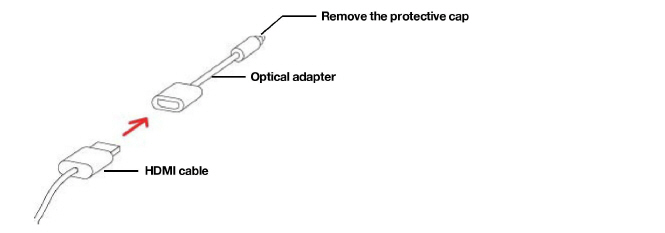
How to use the Sonos Optical Audio Adapter


With Amp, you also have the option to use the RCA Line-In ports, though you should be aware that there will be a minimum of 75ms delay due to the signal processing performed on this input. Therefore, it’s generally a better experience to use the HDMI ARC port with the optical adapter.
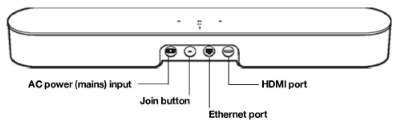
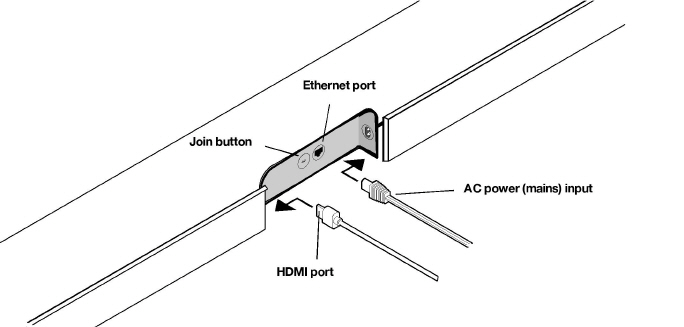
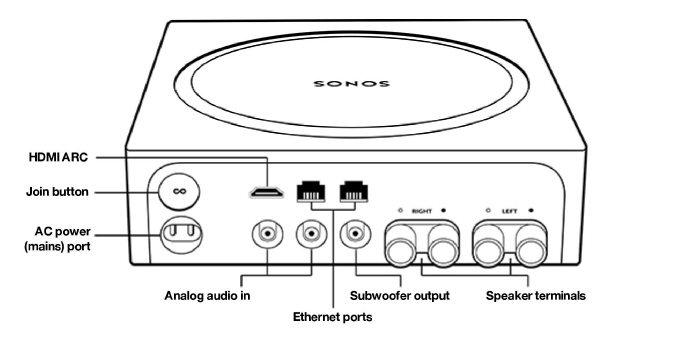
 

Beam - use the HDMI port with the Optical adapter
Arc & Arc Ultra - use the HDMI port with the Optical adapter
Amp - use either HDMI or Analog audio in connections


Move, Move 2, Roam & Roam 2, Era 100 & Era 300 (Bluetooth)

With Moves, Roam and Eras, things are a lot more simple. Hooking up these products is as easy as switching them over to Bluetooth mode, opening the Bluetooth settings of your PC and selecting them from the list, just like you would to connect a mobile device. We’ll show you how to do this in the next section.
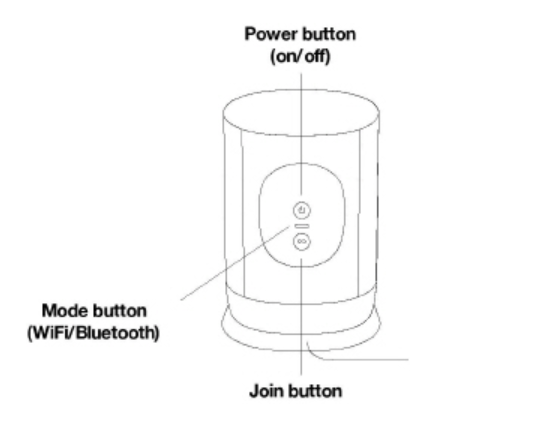
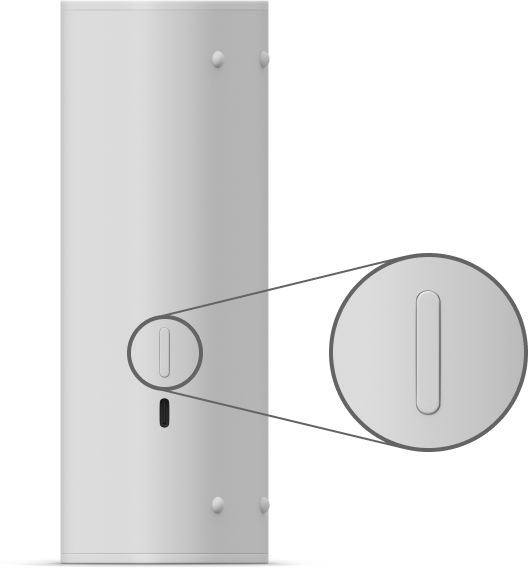
Move & Move 2 - push the Mode button to switch to Bluetooth
Roam & Roam 2 - push and hold the power button for 2 seconds to switch to Bluetooth
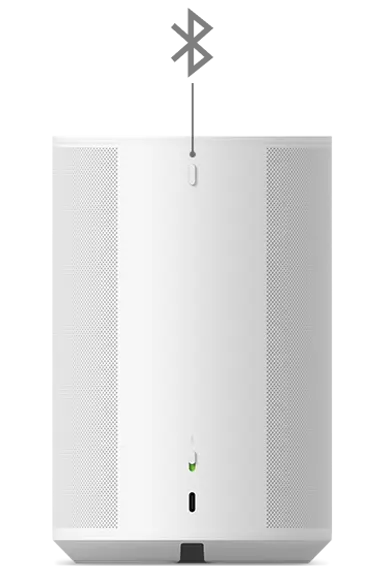
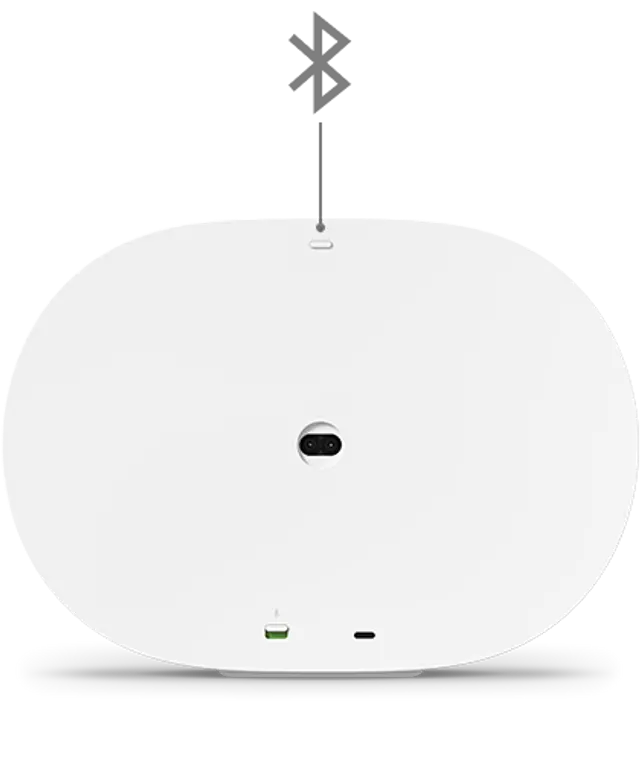
Era 100 - hold the Bluetooth button until you hear a chime to pair​​​​


Era 300 - hold the Bluetooth button until you hear a chime to pair

Note that you only need pair a Sonos device to your PC once - from then on, you can use the computer to reinstate the link. 


Settings:
 

Connecting via optical cable or Sonos Optical Audio Adapter


Once you are connected with an optical cable, you may need to perform some steps to get everything running smoothly. It would be almost impossible for us to list specific settings for every sound card or motherboard that has an optical port built in, but we can provide some basic recommendations.


Once the optical cable is plugged in, click the speaker icon in the bottom-right corner of your Windows taskbar, then click the speaker name above the volume slider to see if an “Optical” or “Digital” sound output has shown up. If it has, just click to enable it. 
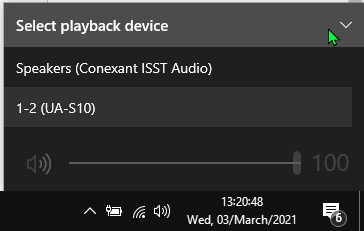
Look in this drop-down list for “Optical” or “Digital” sound output

If the speaker doesn’t show up there, right-click the speaker icon in the taskbar, click Open Sound Settings, Sound Control Panel and then the Playback tab.

Right-click anywhere in the list, then click “Show Disabled Devices.”
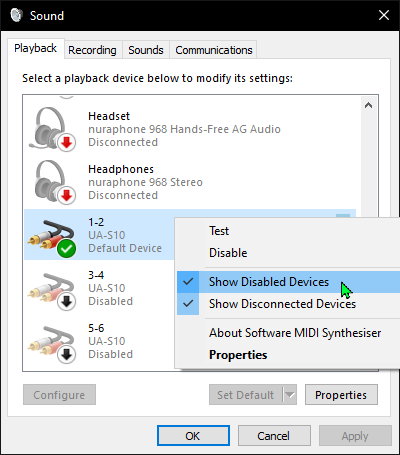
 

Make sure “Show Disabled Devices” is checked


Once you’ve done that, a device named “digital output” or “optical output” should show up. Right-click it and click “Enable” to switch it on. Once you’ve done that, right-click it again and click “Set as default device.” You should now have optical audio enabled and be able to listen to your PC audio through your Sonos player. You may need to open your Sonos app and select TV from the browse menu if TV Autoplay isn’t enabled.

If this doesn’t work for you, double-check the cable is properly seated in the optical port (it should have a gentle bump or click when fully inserted), and make sure the latest drivers are installed for your sound card or motherboard’s audio processor. If all this checks out, but you’re still not seeing the options show up, get in touch with the manufacturer of your device for further assistance.


Connecting through Bluetooth


Connecting to Moves, Roam or Eras through Bluetooth is relatively quick and easy. Take a look at the GIF below to see how it’s done in Windows 10. Note: not all desktop PCs have Bluetooth built in, so you may need to use an external adapter/dongle.
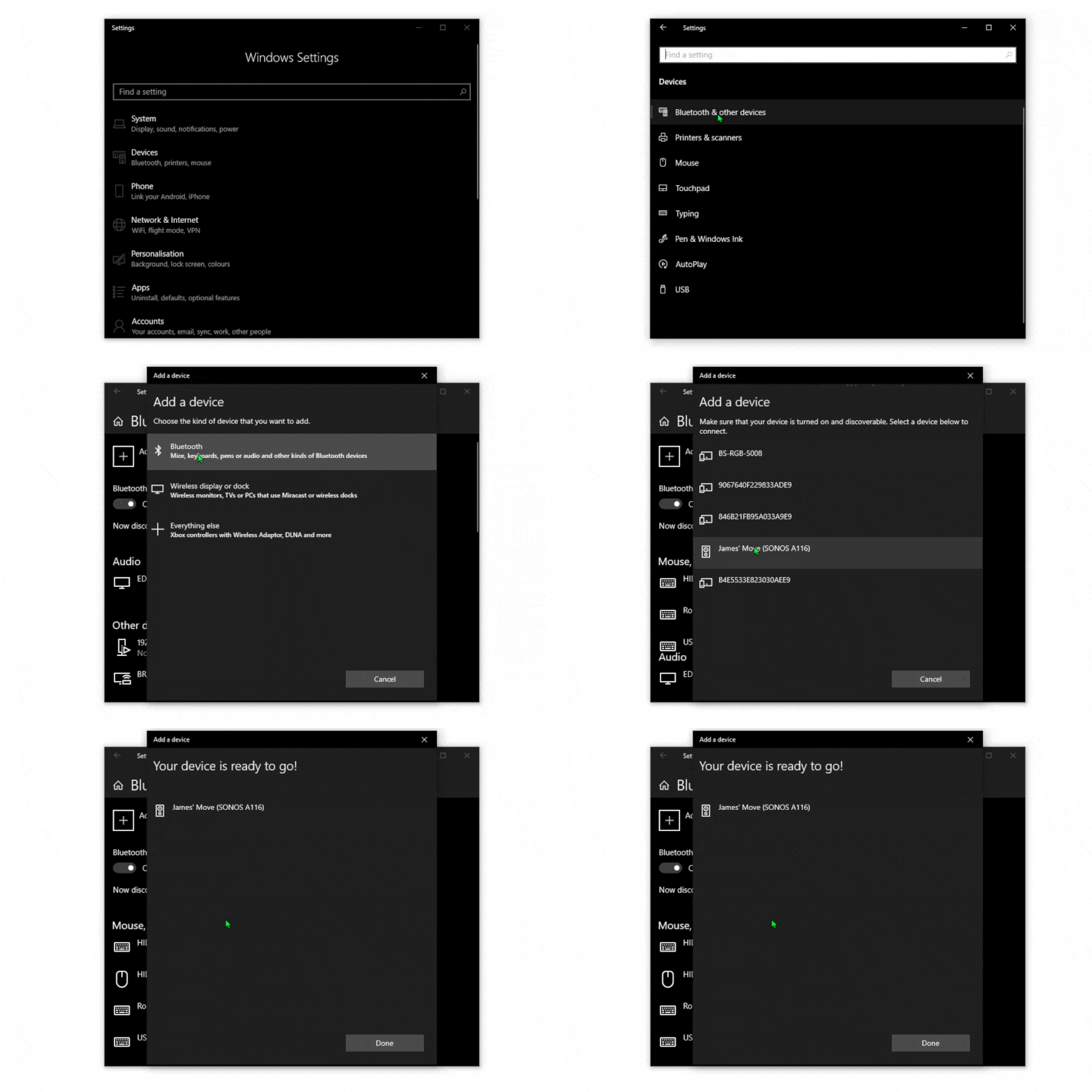
On Mac, the process is also fairly straightforward. You can use the same method for connecting to Sonos through Bluetooth, or you can establish an Airplay stream to any Airplay 2 capable speakers. Check out our FAQ on Streaming Airplay audio to Sonos.


And that’s it! Once you’re connected in either of these ways you’ll be able to enjoy your PC’s audio on your Sonos player. If you’re using the cabled method you’ll be able to group other wireless players in with your PC connected device and have that audio all around your home, just be aware that the players treat the incoming signal as TV audio, so a strong connection is required between players in order to enjoy uninterrupted sound on a large group.

We love to see what our users do with our products, so if you have your Sonos set up in an interesting way with your computer we’d love to see it! Feel free to post your images in this thread :smile:

This topic has been closed for further comments. You can use the search bar to find a similar topic, or create a new one by clicking Create Topic at the top of the page.

135 replies

Local Superstar
May 4, 2023

I’m still a little confused by this thread.

If I connect my roam via bluetooth to my PC, I observe a delay, is this the 75ms ‘sonos’ delay?

Reason I ask is when I connect a UE Megaboom via bluetooth that is around 7-8 years old, and I don’t observe a lag.

I fully understand the 75ms line in delay, but does this 75ms also apply to a direct bluetooth connection to Roam, ie the bluetooth connection is treated in same way as a line in connection?


jgatie
May 4, 2023

I’m still a little confused by this thread.

If I connect my roam via bluetooth to my PC, I observe a delay, is this the 75ms ‘sonos’ delay?

Reason I ask is when I connect a UE Megaboom via bluetooth that is around 7-8 years old, and I don’t observe a lag.

I fully understand the 75ms line in delay, but does this 75ms also apply to a direct bluetooth connection to Roam, ie the bluetooth connection is treated in same way as a line in connection?


Just a guess, but since the Roam can be used as a Bluetooth input when grouped with other Sonos speakers, then the same buffer is needed for the Bluetooth input as for the Line-In input.  

Local Superstar
May 4, 2023

Just a guess, but since the Roam can be used as a Bluetooth input when grouped with other Sonos speakers, then the same buffer is needed for the Bluetooth input as for the Line-In input.  

Yes, I agree. I also blocked the Roam from my WiFi, restarted the Roam to simulate a ‘standalone’ bluetooth speaker, I still see the ~75ms, even when its unable to group the input with any other Sonos device.


Local Superstar
May 4, 2023

I​​​​​​

A quick note on Play:5, Five, Connect:Amp, Port, Connect, Era 100 & Era 300

While it is possible to use these players with a PC by connecting to their line-in ports (Era models will need the USB-C adaptor), this isn’t a recommended solution if you’re planning on doing something that requires audio/video synchronization. There will be a minimum of a 75ms delay on the audio due to the signal processing performed on the line-in side. If synchronization isn’t an issue for you, you can simply connect the device to your PCs headphone or line out jack like you would a pair of regular headphones.


Maybe the above should be updated to include Bluetooth & Roam, as it appears bluetooth is treated same as line-in based on my tests.


Lyricist II
May 28, 2023

I want to do the following connection: Mac mini --- Sonos AMP --- passive bookshelf Speakers. Will I get the dreaded delay? Thanks


P.S. The article by James L. says the delay is with the Connect:Amp. Also, lots of great content above.

controlav
Lead Maestro
May 28, 2023

I want to do the following connection: Mac mini --- Sonos AMP --- passive bookshelf Speakers. Will I get the dreaded delay? Thanks

Depends how they are connected.

You can’t connect the Mac Mini directly to the AMP via HDMI, you need to send the Mac Mini to a TV then use the HDMI-ARC output of your TV to the AMP.  No delay.

If your Mac Mini has optical output you can also use that with the optical adapter. No delay.

You can use the analog input of the AMP, but then you’ll get the delay.

If you Airplay from the Mac Mini I think you’ll get the delay, but I’m honestly not sure about that.

Author of the leading independent Sonos apps for Android, MacOS, iOS, Windows and Xbox.
Lyricist II
May 28, 2023

I want to do the following connection: Mac mini --- Sonos AMP --- passive bookshelf Speakers. Will I get the dreaded delay? Thanks

Depends how they are connected.

You can’t connect the Mac Mini directly to the AMP via HDMI, you need to send the Mac Mini to a TV then use the HDMI-ARC output of your TV to the AMP.  No delay.

If your Mac Mini has optical output you can also use that with the optical adapter. No delay.

You can use the analog input of the AMP, but then you’ll get the delay.

If you Airplay from the Mac Mini I think you’ll get the delay, but I’m honestly not sure about that.


Thanks controlav. Airplay should have a small but noticeable delay. Shame about the complicated HDMI and analog delay as my Mac mini (M1) does not have the optical out. Looks like I will have to get something that is not Sonos which works well for this.


Thanks again.

Corry P
Sonos Staff
May 29, 2023

Hi @Str8rydder & @craigski 

I have updated the original post so Amp is included in the list of devices that will induce a delay - thanks for pointing it out!

"Common sense is the collection of prejudices acquired by age eighteen." - Albert Einstein
Lyricist II
June 27, 2023

Hello There, I got the Ray, i’m trying to connect it to my computer, but my computer does not have the optical port, it only has a audio type c. I bought an adapter USB AUDIO CONVERTER OPTICAL AND 3.5MM, I plug it into my type c and a usb port but there is no audio coming out, my computer does detect that there is a speaker plug it and even has the green audio lv going up, Any tips? I was going to return this but I really want to make it work. Much would be appreciated thank you.

I bought this one for $20 on Amazon and it works great on my MacBook

https://www.amazon.com/dp/B09QFYNB7Y?psc=1&ref=ppx_yo2ov_dt_b_product_details

Make sure you get the “output” version and not the “input” as those are uni-directional.

Thanks for sharing this!  Sounds like there are some draw backs to this (i.e., cannot control volume).  Are there other alternatives? I must admit, audio has always been very confusing for me to fully grasp.  But I’m essentially in a similar situation as Johnson, bought the Ray as soundbar for my 49 inch ultra wide monitor setup.  But running into trouble because my Windows PC does not have optical out.  It only has 3.5MM jack and USB ports (1 C, and a ton of A’s).  Do I need to get a AUX to Optical converter? (like one of these https://www.amazon.com/gp/product/B07W5GNZX5)  If so, does anyone have recommendations (ideally ultra small footprint and from a credible brand, Amazon has a ton of cheapo Chinese ones, who knows what type of security it has).  Or do I need to get a dedicated sound card with optical out…?

Really don’t want to have to return this, the PC soundbar market is kinda meh for the most part.

June 27, 2023

Hi @skho01 .  The adapter looks like the right sort of thing.  It appears that you would need a 3.5mm jack to RCA (red/white) cable to connect the TV to the adapter. then a standard optical cable from adapter to Ray.  

I cannot see you getting anything better than stereo out of this, which may be adequate for your purposes. If not, then a sound card with optical out would give you multichannel output.

I think you may have to settle for an unrecognisable Chinese brand.