

A Full Breakdown: Beam, Beam Ultra, or Arc Ultra?
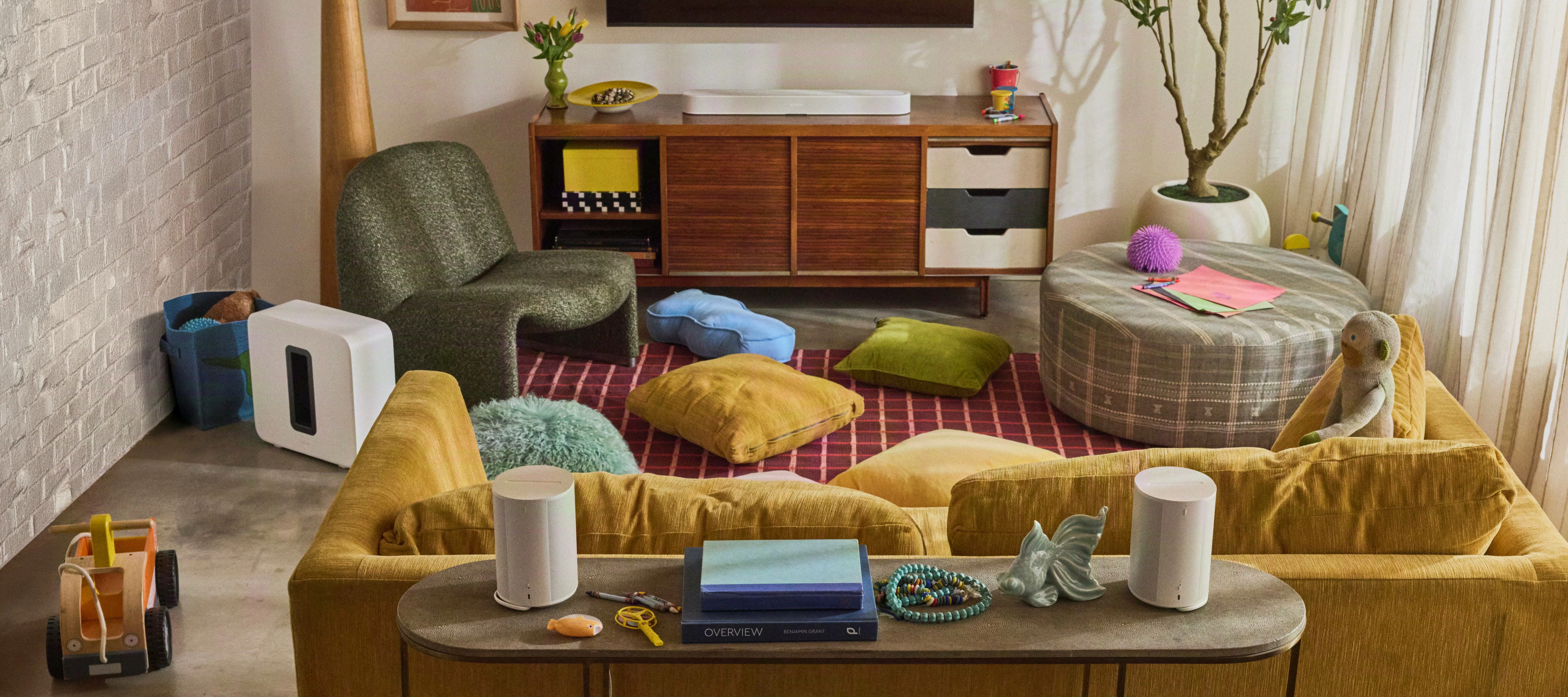
Since the Beam Ultra unveiling one question has been showing up here and over on r/Sonos in a dozen different forms: which soundbar is right for me and where exactly does Beam Ultra fit? Is it a Beam replacement? A smaller Arc Ultra? Something in between? This post is to help provide clear lanes for each soundbar just in time for Beam Ultra to become available today, September 29th.
The Blog team published a full guide on the Sonos blog and it is worth a read. This is the community version. It is a bit more direct about trade-offs and it is written to be the one place you can point someone when they ask. Nobody is trying to sell you anything here. If the right answer for your room is the Beam you already own, this post should help you feel good about that too.
Start with what they all share
Every current Sonos soundbar comes with the same core set of features so you can take these off your comparison list right away:
- Trueplay tuning that adjusts the sound to the acoustics of your room (a supported iOS device is needed to run it)
- Speech Enhancement for clearer dialogue
- Night Sound, which tames loud moments and lifts quiet ones for late-night viewing
- TV Audio Swap, which moves TV audio from the soundbar to Sonos Ace or Ace Ultra over WiFi
- Multiroom playback with the rest of your Sonos system
- Room to grow with a Sub and a pair of surrounds later
None of that changes from Ray to Arc Ultra. What changes is how much room the bar can fill and how it creates the height layer in Dolby Atmos. Those two things are the bulk of the decision.
The lineup at a glance
| Beam (Gen 2) | Beam Ultra | Arc Ultra | |
|---|---|---|---|
| Dolby Atmos | Yes | Yes | Yes |
| How height is created | Processing creates simulated height channels | Dedicated upward-firing drivers | Dedicated upward-firing drivers |
| Driver count | 5 | 9 | 14 |
| Sound Motion bass | No | No | Yes |
| Speech Enhancement | Yes | AI-powered, Low / Medium / High / Max | AI-powered, Low / Medium / High / Max |
| Room size | Mid-sized | Mid-sized | Large and open floor plans |
| TV size guidance | Up to 65" | Up to 65" | 50" and over |
| Sub and surrounds | Yes | Yes | Yes |
| QuickTune (Android) | No | Yes | Yes |
Beam (Gen 2): the everyday bar
Beam has been one of the most popular soundbars we make and the reason is simple. It is compact and it sounds much bigger than it looks. For a lot of people it is the first real upgrade from TV speakers and it tends to stay in the living room for years.
Beam supports Dolby Atmos and it does it differently from its two bigger siblings. It creates its height channels with processing instead of dedicated upward-firing drivers, so you get a sense of space and lift from fewer speakers. In a mid-sized room with a TV up to 65" that works well and it is why Beam still holds its place in the lineup.
Where Beam runs out of steam is where any compact bar does: a large open room or a listener who wants the overhead effects in Atmos to feel like they are actually overhead.
Beam Ultra: real height in a compact frame
This is the one people are trying to place so here is the plainest version.
Beam Ultra is an evolution of Beam. It keeps a compact frame (adding about 4 inches in width), includes more front-facing drivers and a redesigned center channel which makes for increased clarity in dialogue and warmer bass compared to Beam. The new upward facing drivers send sound toward the ceiling and back down to you so the height layer in Atmos is physically produced by speakers aimed up. At the end of the day, it really packs a ton of innovation and performance into a compact package.
Its footprint is smaller than Arc Ultra and it is happy with TVs up to 65". So the mental model that seems to land best is this: Beam Ultra sits between Beam and Arc Ultra. It is the pick for a mid-sized room when you want the Atmos experience and do not have the space or the appetite for Arc Ultra.
One practical thing to check before you buy. Because some of the drivers fire upward, Beam Ultra wants open air above it. If the bar is going into a media console shelf with a lid right on top the height effects will suffer. The same is true of Arc Ultra and it is the main reason Ray keeps every driver facing forward.
Arc Ultra: the flagship
Arc Ultra is the flagship and everything about it says so. It has 14 drivers spread across the full frequency range and Sound Motion technology that produces deep bass with almost no vibration from the cabinet and the newer AI-powered Speech Enhancement with four levels (Low, Medium, High, Max) so you can dial dialogue up exactly as far as you want.
It is built for large living rooms and open floor plans and TVs 50" and larger. If home theater is a hobby for you and you have the room for it this is the one.
The flip side is that in a mid-sized room Arc Ultra is more bar than the room can use. It will still sound great but you are paying for output the space cannot take advantage of. That is a big part of why Beam Ultra exists.
A quick word on Ray
Ray is the smallest bar in the lineup and it does not do Dolby Atmos. Every driver faces forward so it works in tight shelves where upward-firing designs cannot and it is the right answer for bedrooms and studio apartments and TVs up to 55". It still gets Trueplay and TV Audio Swap and it can grow with a Sub and surrounds. If your space is small, Ray is definitely an option and a good one at that.
How to choose
Start with the room, then the TV, then how far you want to take it.
- Room first. Small room or apartment: Ray or Beam. Mid-sized living room: Beam or Beam Ultra. Large or open-plan: Arc Ultra.
- Then the TV. Up to 55": everything is on the table. 55" to 65": Beam, Beam Ultra and Arc Ultra all work, so the room decides. Over 65": Arc Ultra.
- Then how much Atmos matters to you. If "it sounds great" is the goal, Beam clears it. If you want the overhead effects to come from real drivers aimed at the ceiling that starts with Beam Ultra and with Arc Ultra it’s maxed out.
- Check the physical space. Beam Ultra and Arc Ultra want open air above them. A closed shelf points you toward Beam or Ray.
The 65" TV in a mid-sized room is the case that generates most of the confusion because all three fit. In that case it comes down to Beam for a great everyday upgrade, Beam Ultra for the upward-firing Atmos experience, better dialogue and detail in a compact bar, and Arc Ultra if the room is on the large side or you already know you will want the most the system can do.
Growing the system later
None of this is a final decision. Each of these bars is designed to be the front of a home theater you add to over time. Sub 4 takes over the low end so the bar does not have to. A pair of Era 100 or Era 300 speakers becomes your dedicated rear channels. As always, you can start with the bar alone and add pieces as your room and budget allow.